
Swiss Watchmaking Travel: What Can You Actually Visit?
The essential collector's guide to navigating public museums, private workshops, and appointment-only manufacture access across Switzerland.
Switzerland is the beating heart of global haute horlogerie, producing the world's most coveted mechanical timepieces. Yet many watch collectors arrive in Switzerland with unrealistic expectations, assuming that walking into the manufactures of Patek Philippe, Rolex, or Audemars Piguet is as simple as booking a winery tour. In reality, Swiss watch manufactures are high-security sterile environments with strict intellectual property controls. To experience Swiss watchmaking at the highest level, you must distinguish between public heritage museums, bookable manufacture pavilions, and strictly private client access.
1. The Reality of Access: Public, Bookable, and Strictly Private
Demystifying What Watch Enthusiasts Can and Cannot Visit
A common fantasy among horological enthusiasts is taking a leisurely stroll through the working assembly lines of Geneva's top manufactures. The commercial reality is fundamentally different.
Modern luxury watchmaking occurs in cleanroom environments where air pressure, humidity, and airborne dust particles are rigorously controlled. Furthermore, brands guard their proprietary machining techniques, balance spring alloys, and unreleased prototypes behind bank-grade physical security.
Understanding Swiss watch tourism requires categorizing visits into three distinct tiers:
Tier 1: Public Heritage Institutions. World-class museums open to the public year-round without formal client relationships, including the Patek Philippe Museum in Geneva, the Beyer Museum in Zurich, and the Musée International d'Horlogerie in La Chaux-de-Fonds.
Tier 2: Bookable Manufacture Museums & Ateliers. Official brand-operated visitor experiences that require advance reservations, such as the Musée Atelier Audemars Piguet in Le Brassus or the Atelier d'Antoine at Jaeger-LeCoultre in Le Sentier.
Tier 3: Strictly Private Manufacture Access. Entry into working manufacture floors, dial-enameling ateliers, and Grand Complication workshops. This access cannot be bought as a tourist ticket; it is granted exclusively to existing VIP collectors, verified brand patrons, or facilitated through specialized private client representation months in advance.
The Lead-Time Rule
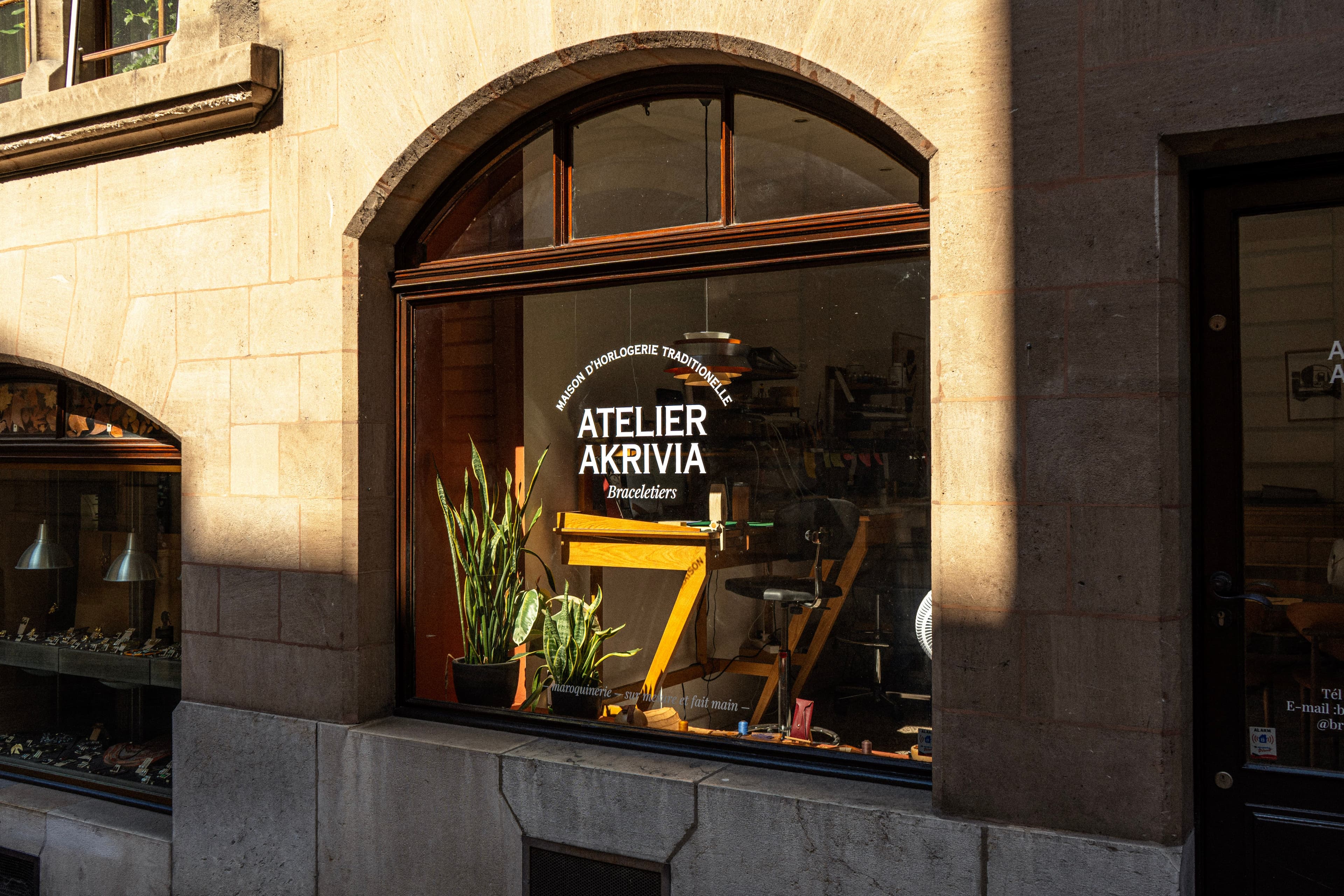
Curated manufacture museum access (such as Musée Atelier Audemars Piguet) must be booked 6 to 10 weeks in advance. Private client appointments with independent master watchmakers (such as Akrivia or Kari Voutilainen) require 3 to 6 months of coordination.
2. Geneva: The Horological Cradle & Historic Heritage
Cabinotiers, Rue du Rhône Boutiques & The Patek Philippe Museum
Geneva's watchmaking supremacy began with the Protestant Reformation in 1541. When theologian John Calvin banned the wearing of ornamental jewelry, the city's exceptionally skilled goldsmiths and enamelers were forced to channel their craftsmanship into a permitted functional instrument: the pocket watch.
Artisans known as Cabinotiers established workshops in the garrets and attics of the Saint-Gervais district, where large north-facing windows provided pure, shadowless daylight for micro-mechanical assembly.
Today, Geneva offers the world's most concentrated horological walking experience. The **Patek Philippe Museum** in Plainpalais is universally regarded as the greatest watch museum on earth. Across four opulent floors, it displays over 2,500 historic watches, automated singing bird boxes, and royal enameled miniatures dating from the 16th century, alongside Patek Philippe's private archives since its founding in 1839.
Along Rue du Rhône and Place de Tour-de-l'Île, collectors can visit the global flagship salons of Vacheron Constantin, Rolex, Audemars Piguet, and F.P. Journe, many of which house private heritage salons accessible by appointment.
3. The Vallée de Joux: The Sacred Valley of Grand Complications
Le Brassus, Le Sentier & The Masters of Minute Repeaters
An hour north of Geneva, sequestered within the rugged Jura mountains at an elevation of 1,000 meters, lies the Vallée de Joux. This isolated valley is the spiritual and technical epicenter of complicated watchmaking.
For centuries, harsh sub-zero winters buried the valley under deep snow for five months a year. Local farming families spent the dark winter months at their attic benches crafting miniature gears, pinions, and escapements. Over generations, this remote valley mastered the most complex mechanisms in horology: minute repeaters, perpetual calendars, split-second chronographs, and tourbillons.
Today, the Vallée de Joux is home to the titans of haute horlogerie: **Audemars Piguet** in Le Brassus, **Jaeger-LeCoultre** in Le Sentier, and **Blancpain** in Le Brassus.
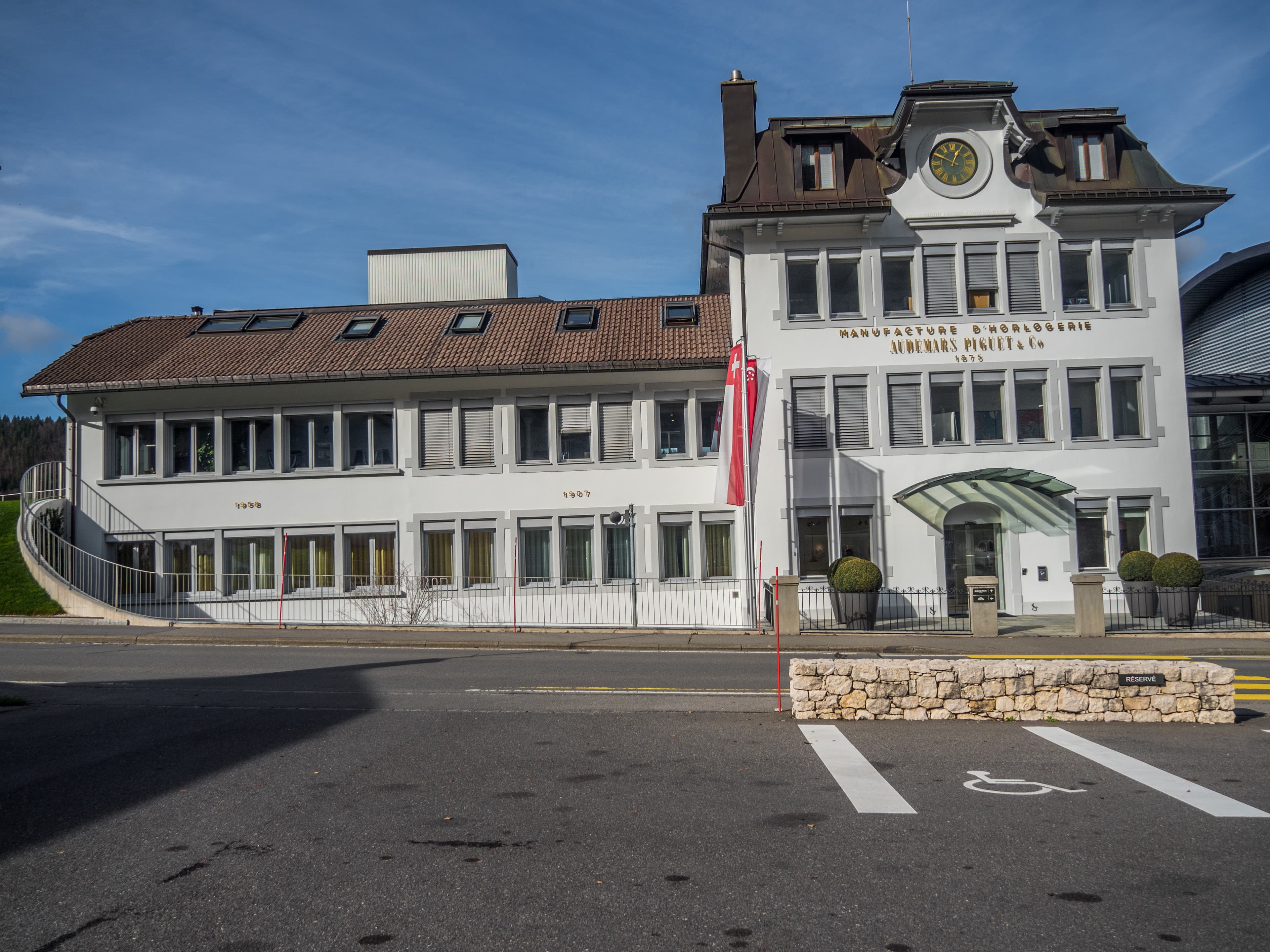
The undisputed jewel of modern horological architecture is the **Musée Atelier Audemars Piguet** in Le Brassus. Designed by the Danish architectural firm BIG (Bjarke Ingels Group), its spiral glass pavilion rises organically from the alpine meadow, seamlessly connecting to the historic 1875 workshop where Jules Louis Audemars and Edward Auguste Piguet first collaborated. Visitors walk through two centuries of pocket watches and Royal Oaks while observing master artisans working live inside glass-walled complication ateliers.
Where to Base in the Vallée de Joux
Stay at Hôtel des Horlogers in Le Brassus. Built by Audemars Piguet and designed by BIG, its zig-zagging green roof mimics the surrounding pine ridges, with interiors featuring sustainably sourced Jura timber and dining overseen by 3-Michelin-star chef Emmanuel Renaut.
4. The Northern Jura: Neuchâtel, La Chaux-de-Fonds & Le Locle
UNESCO Watchmaking Urbanism & Industrial Mastery
Continuing north along the French border into Canton Neuchâtel brings you to the twin towns of La Chaux-de-Fonds and Le Locle. Together, they are designated a UNESCO World Heritage site for 'Watchmaking Urbanism.'
Following devastating 19th-century fires, both towns were rebuilt on a strict grid system designed around one single imperative: maximizing natural daylight inside residential workshops with wide, closely spaced multi-pane windows.
In La Chaux-de-Fonds, visit the **Musée International d'Horlogerie (MIH)**. Subterranean and modernist, the MIH houses over 4,000 items that tell the scientific story of human time measurement, from ancient astrolabes and Renaissance sundials to atomic clocks and restoration benches.
Nearby in Le Locle, the **Château des Monts** houses the Musée d'Horlogerie du Locle inside a grand 18th-century manor, surrounded by romantic gardens and showcasing early English and Swiss automata.
5. Hands-on Horology: The Masterclass Experience
Assembling a Mechanical Movement Under a Master's Eye
For enthusiasts seeking an active connection to the craft, specialized private watchmaking ateliers in Geneva and Neuchâtel offer hands-on horological masterclasses.
Donning an artisan's white lab coat and inserting a 4x watchmaker's loupe, you sit before a genuine ergonomic wooden workbench equipped with antimagnetic tweezers, precision screwdrivers, and movement holders.
Under the step-by-step guidance of a certified master watchmaker, you disassemble, oil, regulate, and reassemble a mechanical movement (such as a classic hand-wound caliber). You experience firsthand the extreme muscle memory required to poise a balance wheel, seat a pallet fork without snapping an escape wheel tooth, and tension a mainspring barrel.
6. How to Structure a Watch Collector's Itinerary
The Optimal 7-Night Journey Flow
A focused Swiss horology journey should balance cultural heritage, landscape exploration, and comfortable luxury pacing.
| Institution / Manufacture | Location | Access Tier | Advance Booking | Core Attraction |
|---|---|---|---|---|
| Patek Philippe Museum | Geneva (Plainpalais) | Tier 1: Public Museum | Walk-in (Guide recommended) | 2,500 historic timepieces; royal enameled miniatures; 1839–present archives |
| Musée Atelier Audemars Piguet | Le Brassus (Vallée de Joux) | Tier 2: Curated Guided Tour | 6–8 weeks in advance | BIG spiral pavilion; live Grand Complications & Métiers d'Art workshops |
| Manufacture Jaeger-LeCoultre | Le Sentier (Vallée de Joux) | Tier 2/3: Atelier d'Antoine | 8–12 weeks in advance | The Grande Maison heritage; Reverso history; sound-chamber acoustics |
| Musée International d'Horlogerie | La Chaux-de-Fonds | Tier 1: Public Museum | Open to the public | UNESCO watchmaking urbanism; historical astrolabes; public restoration atelier |
| Beyer Clock and Watch Museum | Zurich (Bahnhofstrasse) | Tier 1: Boutique Museum | Walk-in during boutique hours | World's oldest private collection inside Switzerland's oldest watch retailer (est. 1760) |
| Independent Master Ateliers | Geneva / Môtiers / Jura | Tier 3: Private Client Access | 3–6 months via Private Desk | Intimate workshop access with independent horological masters (Akrivia, Voutilainen) |
Which Destination Fits Your Journey?
First-Time Watchmaking Immersion:
- ✓You want an effortless, high-yield introduction to Swiss horology without arduous logistical preparation.
- ✓You prefer basing in Geneva at a five-star palace (The Woodward or Beau-Rivage) with evening Michelin dining.
- ✓You want to combine the Patek Philippe Museum, Rue du Rhône flagship shopping, and a half-day hands-on watchmaking workshop.
- ✓You are traveling with a partner who is interested in art, lakeside wellness, and fine gastronomy alongside watch culture.
The Serious Collector's Pilgrimage:
- ✓You are a dedicated horological collector seeking rare manufacture insights, complicated calibers, and artisan dialogues.
- ✓You want to travel deep into the Vallée de Joux, basing at Hôtel des Horlogers in Le Brassus.
- ✓You have secured advance access to Musée Atelier Audemars Piguet and the Atelier d'Antoine at Jaeger-LeCoultre.
- ✓You want to traverse the Jura mountains to explore UNESCO watchmaking towns in La Chaux-de-Fonds and Le Locle.
Explore Corresponding Journeys
Swiss Horology
A seven-night journey through Geneva, the Vallée de Joux, and the historic watchmaking towns of the Jura.
Lake Geneva Wine & Gastronomy
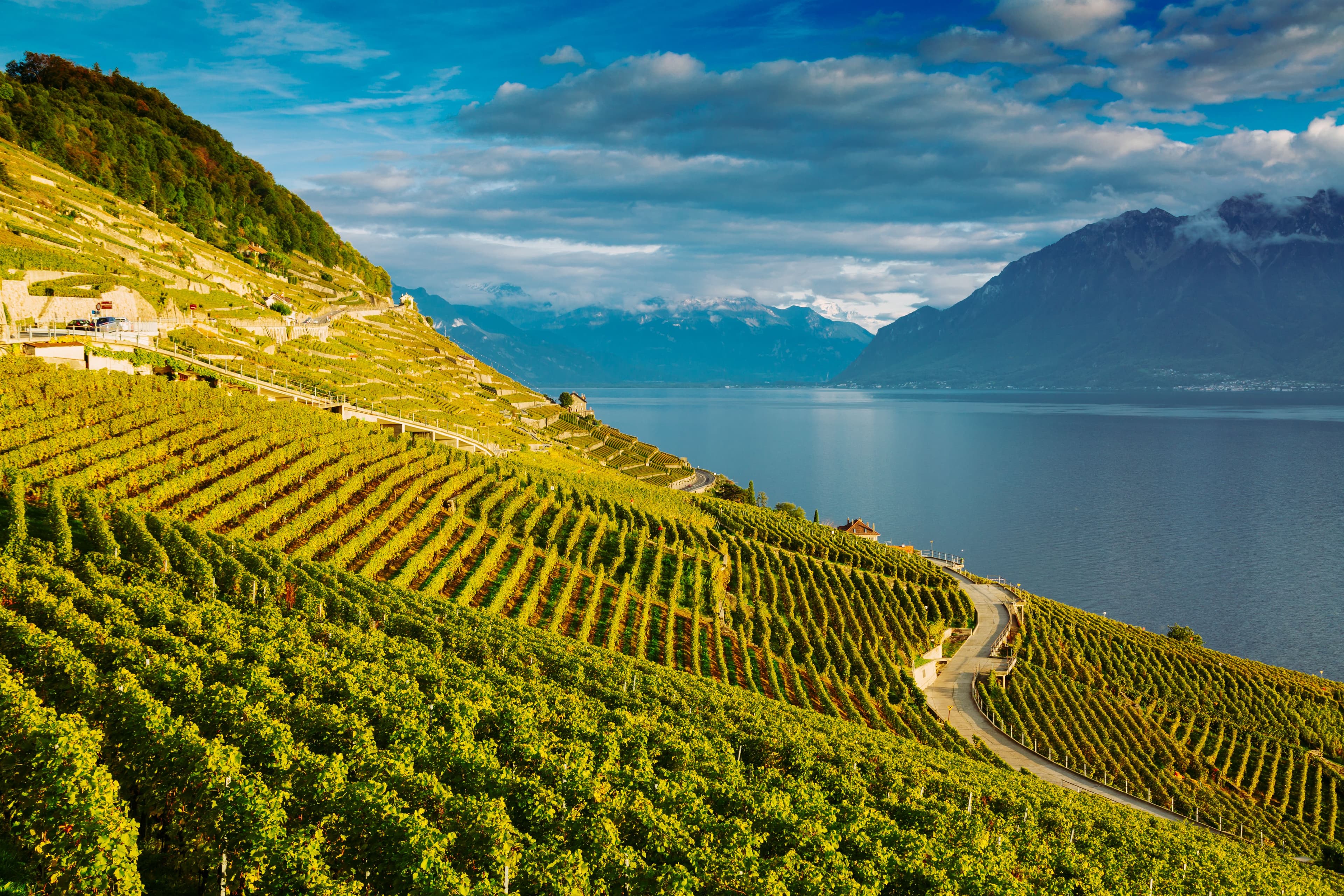
An epicurean exploration of the UNESCO Lavaux vineyards, Michelin dining, and private sailing on Lac Léman.
Undecided Between Gstaad and St. Moritz?
Our Private Client Desk can structure a comparative bespoke itinerary, balance high-altitude skiing with chalet privacy, or seamlessly link both via first-class panoramic rail.