How to Plan a Private Switzerland Itinerary: The Architectural Framework
Why standard luxury itineraries fail in the Alps, how to sequence geography and elevation, and how to balance panoramic rail with private chauffeured transit.
Most luxury Switzerland itineraries fail not from a lack of budget, but from a failure of geography. Travelers book five-star palace hotels in five different regions across eight days, only to spend half their holiday packing bags, negotiating train platforms, and suffering altitude fatigue. A true bespoke Swiss journey is built on architectural principles: anchor bases, orbital excursions, elevation pacing, and a seamless hybrid of private chauffeured transit and panoramic rail. Here is the exact methodology Suisse Privée uses to design private itineraries across the Swiss Confederation.
1. The Topographical Rule: Calculate Route Hours, Not Highway Distance
Why 60 Kilometers in the Alps Can Take Three Hours
Switzerland spans 41,285 square kilometers—compact enough on a flat map to encourage the dangerous illusion that anywhere in the country can be reached in an hour or two.
In reality, over 60% of Switzerland is high alpine terrain. Deep glacial valleys, soaring mountain barriers (such as the Jungfrau massif or the Gotthard range), and pristine lakes dictate route geometry. Two destinations that appear next to each other on a map are frequently separated by an impassable 4,000-meter wall of granite and ice.
Furthermore, Switzerland's legendary high mountain passes—including the Furka, Grimsel, Susten, and Oberalp—are buried under deep snow and closed to vehicular traffic from mid-October through late May or early June. A summer chauffeur drive that takes 90 minutes over a panoramic pass becomes a 3.5-hour detour via valley tunnels in spring or autumn.
When planning a private route, calculate every movement in Alpine Route Hours rather than flat highway kilometers.
The Pass Opening Caveat
Never plan an itinerary reliant on high-altitude mountain passes (Furka, Grimsel, Susten) before June 15 or after October 15. Outside this summer window, road transit must rely on base rail car-shuttles or lower all-weather highways.
2. The Anchor & Orbit Strategy: Never Hop Hotels Daily
The Difference Between Mass Tourism and True Alpine Serenity
Mass-market tour operators move their groups every 24 hours: Zurich to Lucerne to Interlaken to Zermatt to Geneva. For a private luxury traveler, this approach is disastrous.
Every hotel relocation incurs a 4-hour 'Movement Tax': packing trunks, morning checkout, station or road transit during prime midday hours, check-in registration, and unpacking. Four hotel moves in an eight-day trip consumes nearly three full days in transit friction.
The Suisse Privée solution is the Anchor & Orbit Model. Establish two to three prestigious residential anchors for a minimum of three to four nights each. From that single sanctuary, 'orbit' outward on day excursions via private boat, helicopter, or chauffeur, returning each evening to your unpacked suite, personal concierge, and familiar dining table.
For example, basing at Lake Lucerne (e.g. Bürgenstock Resort or Mandarin Oriental Palace) enables effortless day orbits to Mount Pilatus, Mount Titlis in Engelberg, the medieval streets of Lucerne, and private sailing on the lake—without ever repacking a suitcase.
The 3-Night Minimum Anchor Rule
A 2-night stay yields only one full day on the ground. A 3-night stay yields two full, unhurried days. A 4-night stay provides the breathing room needed for both high-impact alpine adventure and restorative spa recovery.
3. Route Flow & Elevation Acclimatization
Why You Must Start Low and Ascend Gradually
A subtle but frequent planning error is flying straight from a long-haul international flight (often overnight from North America or the Gulf) directly into a high-altitude alpine resort.
Landing in Zurich or Geneva and transferring immediately to St. Moritz (elevation 1,822 meters) or ascending the Gornergrat in Zermatt (3,089 meters) compounds jet lag with altitude fatigue, mild dehydration, and sleep disruption.
The optimal geographic flow begins at a temperate, low-elevation lake sanctuary: Lake Lucerne (434 meters) or Lake Geneva (372 meters). Spending your first 48 to 72 hours at lake level allows your circadian rhythm and respiratory system to recalibrate while enjoying gentle boat cruises, lakeside promenades, and world-class medical wellness.
Only after this restorative prelude should you ascend into the high alpine massifs of the Valais or the Engadin. When heading home, reverse the flow or depart directly from a convenient hub airport.
| Swiss Region | Key Luxury Hub | Base Elevation | Acclimatization Role | Ideal Positioning |
|---|---|---|---|---|
| Lake Geneva / Riviera | Montreux / Lausanne | 372 m | Low elevation; mild microclimate | Nights 1–3 (Arrival sanctuary via GVA) |
| Central Switzerland | Lake Lucerne | 434 m | Low elevation; tranquil lake waters | Nights 1–3 (Arrival sanctuary via ZRH) |
| Bernese Oberland | Gstaad / Interlaken | 1,050 m | Mid-alpine valley; pine forests | Nights 4–6 (Active mid-point) |
| Valais Alps | Zermatt | 1,608 m (peaks to 3,883m) | High alpine; dramatic glacier air | Nights 4–8 (Peak mountain exploration) |
| Upper Engadin | St. Moritz | 1,822 m | High alpine; champagne climate | Nights 7–10 (High-altitude finale) |
4. The Hybrid Transit Architecture: Rail vs. Chauffeur Synergy
Rejecting the False Binary: Combining the Best of Road and Rail
First-time planners often ask: 'Should we hire a private Mercedes chauffeur for the entire trip, or take the Swiss rail system?'
The most sophisticated private itineraries reject this binary. Instead, they deploy a tailored hybrid transit architecture:
Deploy Private Chauffeurs for: Airport meet-and-greets, cross-canton transfers with heavy designer luggage, scenic mountain pass journeys, flexible wine touring across the steep terraced slopes of Lavaux, and direct door-to-door transit between lakeside palaces.
Deploy Panoramic Rail for: Iconic alpine crossings where trains follow precipitous cliff paths, helical tunnels, and stone viaducts inaccessible by automobile. A private car cannot match the dining grandeur of the Glacier Express Excellence Class traversing the Rhine Gorge, or the cogwheel ascent of Gornergrat directly facing the Matterhorn.
Respecting Car-Free Sanctuaries: Switzerland's most celebrated alpine villages—including Zermatt, Wengen, Mürren, and Saas-Fee—are legally car-free. Combustion vehicles must stop at valley terminals (such as Täsch for Zermatt or Lauterbrunnen for Wengen). Your private chauffeur coordinates directly with the hotel concierge, transferring your luggage seamlessly to the property's vintage electro-limousine at the platform.
The Luggage-Forwarding Advantage
When taking iconic panoramic trains, have your private chauffeur or luggage courier transport your heavy wardrobes by road directly to your next palace suite. You board the Glacier Express or GoldenPass Express carrying only a small day bag and camera, enjoying five-course dining unencumbered.
5. Airport Gateways: Choosing Between Zurich (ZRH) and Geneva (GVA)
Creating an Elegant Line Rather Than an Inefficient Loop
One of the greatest structural advantages in Switzerland is the open-jaw (multi-city) flight itinerary: arriving at Zurich Airport (ZRH) and departing from Geneva Airport (GVA), or vice-versa.
Planning a round-trip loop back to your arrival airport forces an unnecessary 3- to 4-hour return transit on your final day, often requiring an anticlimactic final night at an airport hotel.
An East-to-West route (ZRH → Lucerne → Engadin or Zermatt → Lake Geneva → GVA) creates a magnificent linear narrative: transitioning from German-speaking historic palatial lakes to soaring high-alpine glacier peaks, and concluding in the French-speaking vineyards and Michelin dining of the Swiss Riviera.
For travelers arriving via private aviation, Switzerland offers exceptional FBO infrastructure: Cat-III certified Zurich Kloten (Cat A FBOs), Geneva C3/TAG Aviation, and dedicated regional private jet runways at Samedan (St. Moritz, Europe's highest airport at 1,707m), Sion (Valais/Zermatt access), and Bern-Belp.
6. Seasonality & Microclimates: The Three Switzerlands
Why an Itinerary in July Looks Radically Different from January
Switzerland contains three distinct climatic and operational realities that must govern your journey timing:
Peak Winter (Mid-December to Late March): The focus is high altitude, powder snow, and palace hotel festive society. Reserving suites in St. Moritz, Gstaad, or Zermatt requires six to nine months of advance planning, especially over the Christmas/New Year and February school holiday fortnights. Daylight is shorter (sunset ~17:00), making cozy fireside afternoons and thermal spas central to each day's rhythm.
Peak Summer & Alpine Coolcations (Mid-June to Mid-September): Switzerland transforms into an open-air sanctuary with daylight until 21:30 PM. Lake temperatures reach 22°C for private swimming and sailing, mountain passes are open for supercar drives, and high alpine meadows are lush with wildflowers. For travelers escaping extreme summer heat in North America or the GCC, mountain bases at 1,000m+ offer crisp 18–24°C daytime temperatures.
The Inter-Season Pause (April–May & Late October–November): Many high-alpine luxury hotels, mountain cable cars, and scenic trains close for annual maintenance and seasonal overhaul. An itinerary planned during these months must focus on year-round city and lakeside palaces (Zurich, Lake Lucerne, Geneva, Lausanne) and cultural institutions rather than high-alpine ski resorts.
7. The Bespoke Dossier vs. The Packaged Tour
Why High-Net-Worth Travel Demands Individual Journey Architecture
Standard online travel platforms and mass travel agencies treat Switzerland as a collection of commodity line items: a standard room voucher, a rail pass, and a group walking tour.
In reality, the difference between an ordinary trip and an extraordinary Swiss journey lies in access and logistical orchestration: securing connecting multi-room family suites with unobstructed Matterhorn views; arranging private after-hours access to watchmaking manufactures; booking table number 1 at Chez Vrony; and maintaining on-the-ground concierge agile support when alpine weather shifts.
Suisse Privée operates as a private client originator. Each journey is designed as a singular architectural dossier—balancing restorative pauses, culinary excellence, seamless luggage transit, and alpine drama tailored strictly to your party's cadence.
The Weather Flexibility Principle
Never over-schedule alpine peaks on rigid, non-changeable time slots. Mountain summits (Jungfraujoch, Matterhorn Glacier Paradise) should be scheduled with a 48-hour flexible weather window, so your private guide can pivot between summit ascents on crystalline days and valley culture or thermal spas on overcast mornings.
Which Destination Fits Your Journey?
Start with Zurich (ZRH) If:
- ✓Your primary destinations are Central Switzerland (Lake Lucerne), the Bernese Oberland, or the Engadin (St. Moritz).
- ✓You want to begin with lakeside relaxation at Bürgenstock before crossing the Alps on the Glacier Express.
- ✓You are flying non-stop transatlantic on Swiss International Air Lines or American Airlines.
- ✓You want to conclude your journey in Geneva or continue onward into France.
Start with Geneva (GVA) If:
- ✓Your itinerary prioritizes the Swiss Riviera, UNESCO Lavaux vineyards, Gstaad, or Verbier.
- ✓You are arriving on direct Emirates, Qatar, Saudia, or British Airways flights, or utilizing private aviation at GVA C3/TAG.
- ✓You want to begin with French-speaking gastronomy and watchmaking before ascending toward Zermatt and Zurich.
- ✓You are traveling with extended family seeking private lakeside villas or multi-bedroom residences.
Explore Corresponding Journeys
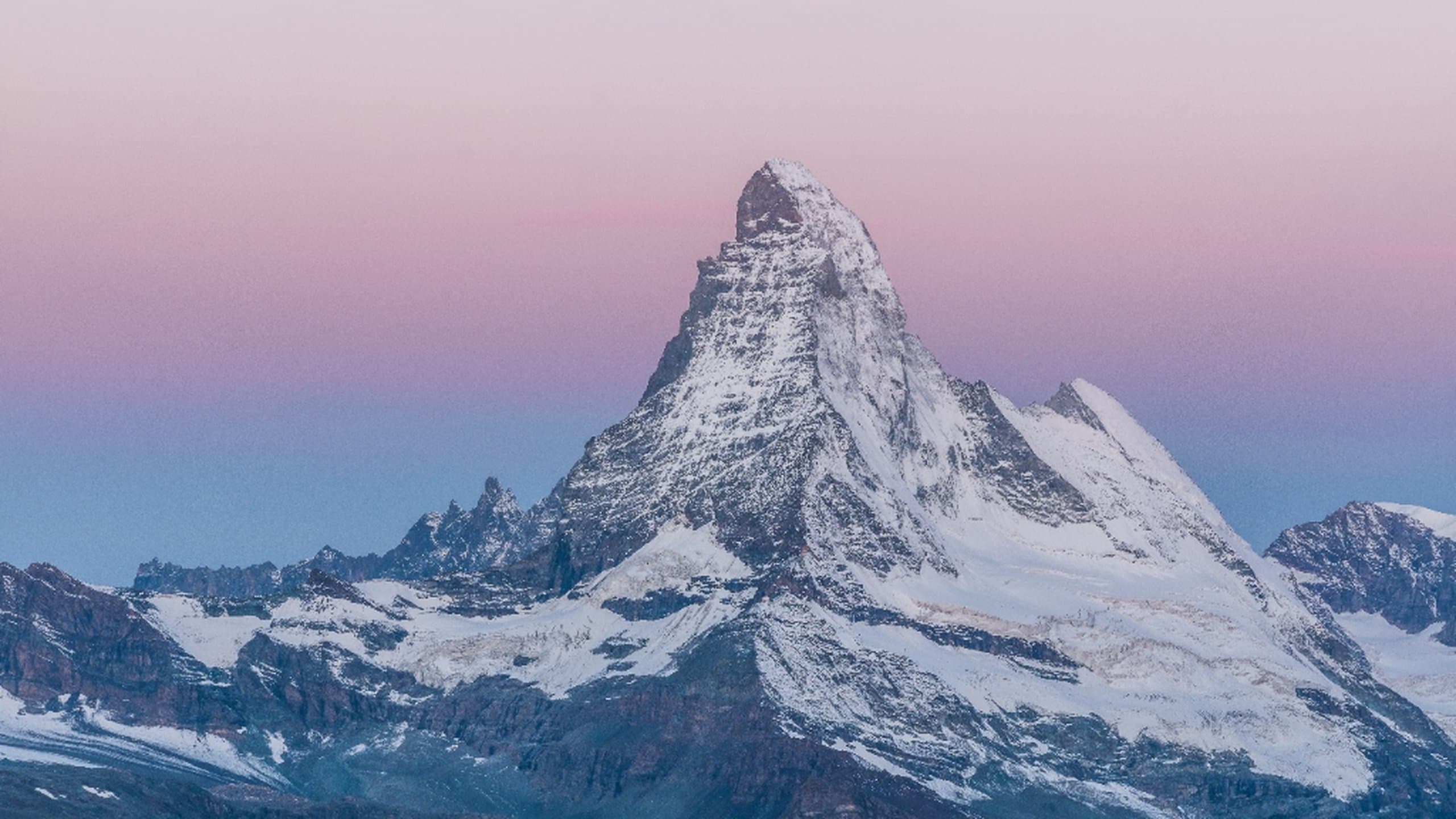
Swiss Icons, Privately
The definitive 11-day Swiss Grand Tour: Bürgenstock clifftop suites, Zermatt Matterhorn views, and St. Moritz palace society.
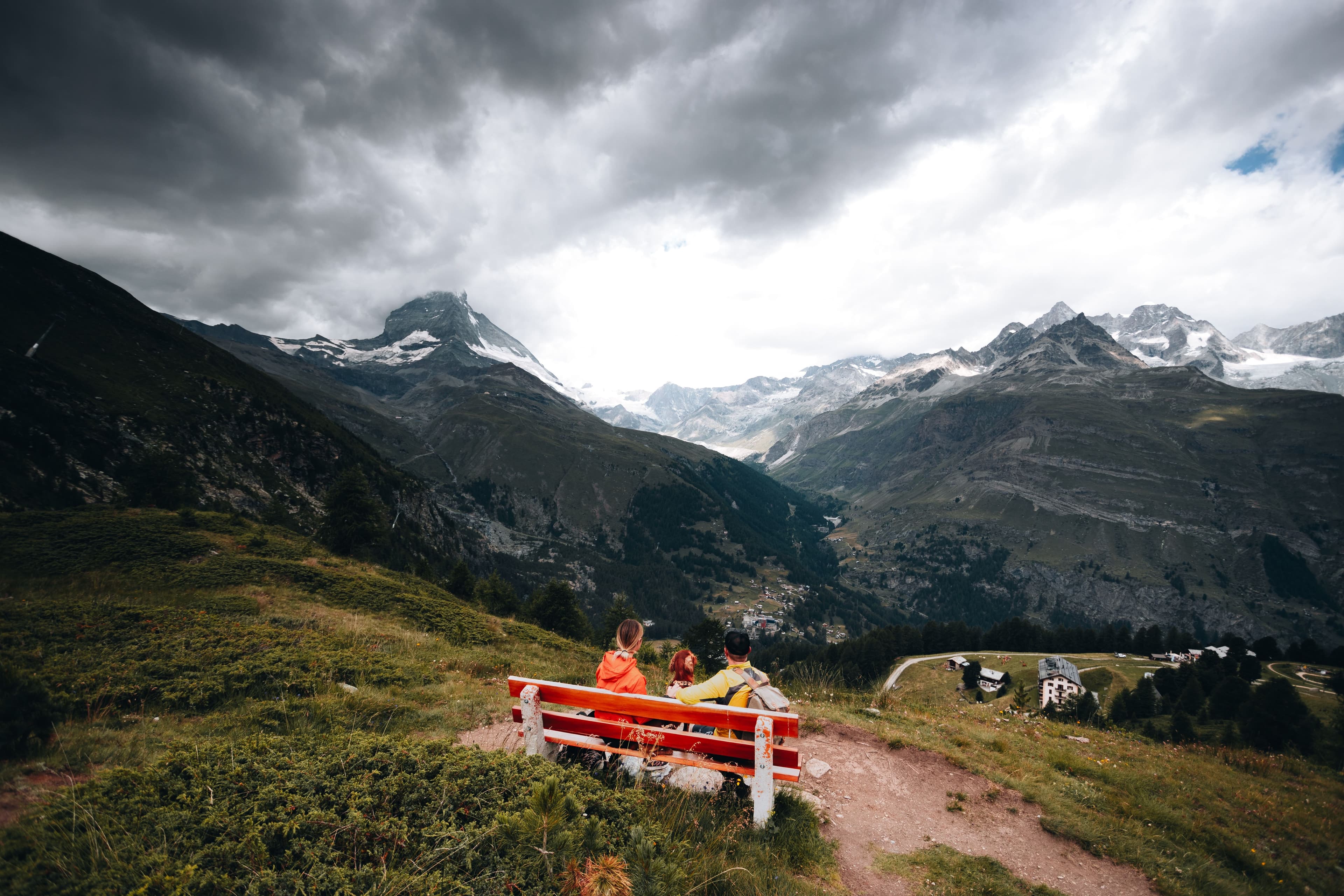
Summer Coolcation & Grand Family
A multi-generational alpine retreat across the Engadin and Lake Lucerne, engineered for family space and cool mountain air.
Undecided Between Gstaad and St. Moritz?
Our Private Client Desk can structure a comparative bespoke itinerary, balance high-altitude skiing with chalet privacy, or seamlessly link both via first-class panoramic rail.