When to Visit the Bernese Oberland: A Seasonal Pacing Guide
Why May is often a mistake, how to navigate peak summer crowds in Interlaken, and the golden window for crystalline autumn hiking.
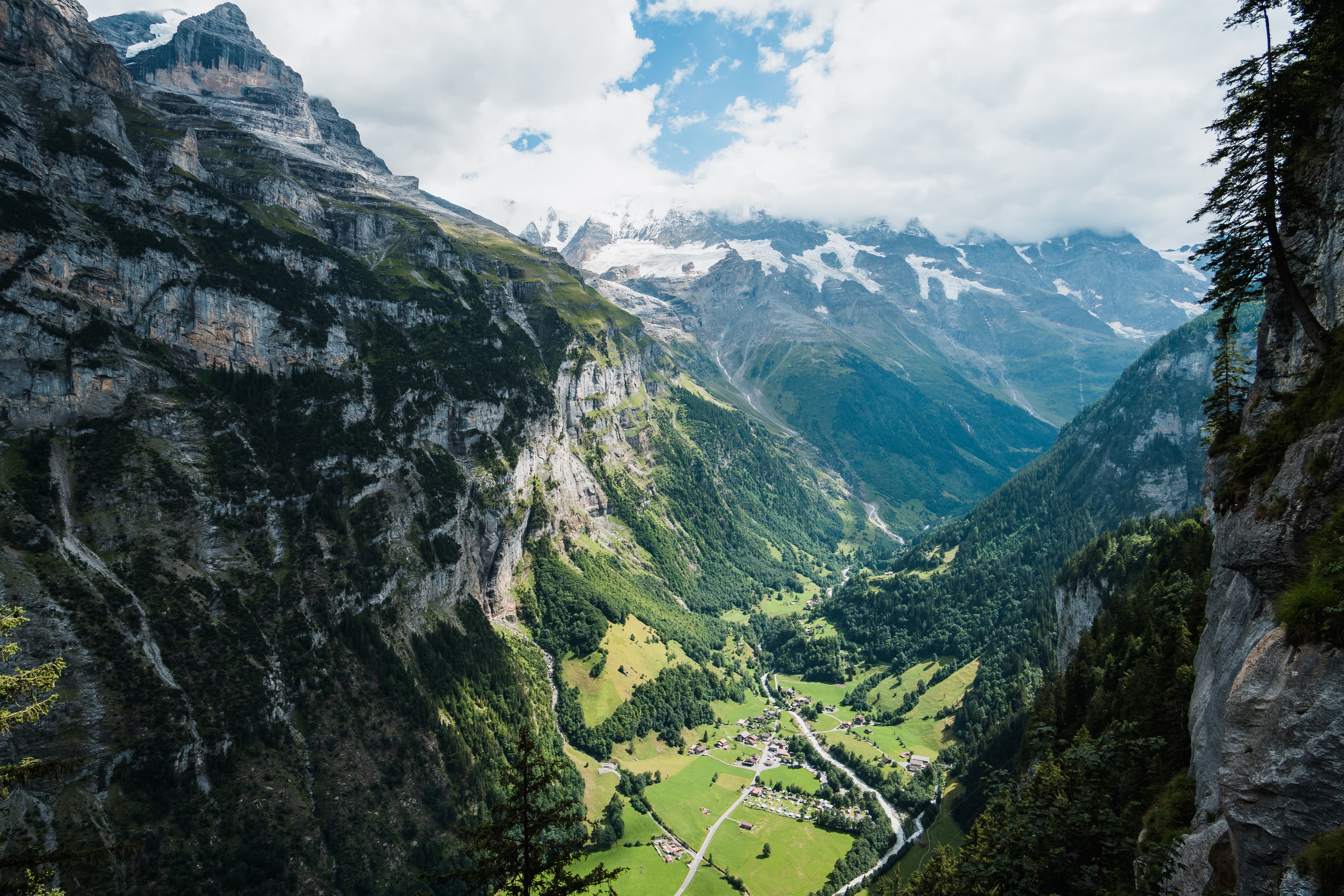
The Bernese Oberland is the quintessential postcard of Switzerland: turquoise glacial lakes, vertical limestone cliffs with 72 waterfalls, and the legendary triumvirate of peaks—the Eiger, Mönch, and Jungfrau. Yet because elevations span from 566 meters at Lake Thun to 4,158 meters at the Jungfrau summit, timing your journey is everything. Enthusiastic travelers who arrive in May frequently encounter closed cable cars and muddy trails, while peak July visitors battle tour bus congestion. This guide provides an honest, month-by-month breakdown to ensure your alpine visit is timed to perfection.
1. The Oberland Mosaic: Lakes, Valleys, and Glacial Walls
Why Weather Changes Dramatically Across 20 Kilometers
The Bernese Oberland encompasses an extraordinary vertical cross-section of alpine terrain.
At the valley entrance lie Lake Thun and Lake Brienz, sitting at a mild 566 meters elevation with palm-dotted shorelines and paddle steamer cruises. Deep within the mountain fold lies the Lauterbrunnen Valley—a dramatic U-shaped glacial canyon flanked by sheer 300-meter cliffs and cascading torrents like the Staubbach Falls.
Perched on clifftop ledges above the valley are the car-free sanctuaries of Mürren (1,650m) and Wengen (1,274m), accessible only by cogwheel railway or cable car. Further east lies the bustling alpine amphitheater of Grindelwald (1,034m), dominated by the monolithic 1,800-meter north face of the Eiger.
Because temperatures drop roughly 6.5°C for every 1,000 meters of elevation, a balmy 24°C summer afternoon on Lake Thun can coincide with a crisp 14°C breeze in Mürren and freezing conditions at Jungfraujoch (3,454m). Layering and flexibility are fundamental to every Oberland day.
2. Spring & 'Mud Season': Why May is Frequently a Trap
April and May: Mountain Closures and Snowmelt
One of the most frequent planning mistakes made by international travelers is booking a high-alpine Oberland holiday in April or May.
While low-altitude Swiss cities enjoy pleasant spring blossoms, May in the high Alps is known as the inter-season or 'mud season.' Deep winter snowpacks are actively melting, turning trails above 1,800 meters into slippery slush and mud, with high avalanche risks on steeper slopes.
Crucially, April and May serve as the mandatory annual maintenance window for Swiss mountain infrastructure. Cable cars, funiculars, and cogwheel trains (including routes to the Schilthorn or First Cliff Walk) temporarily shut down for statutory engineering overhauls. Furthermore, iconic five-star mountain hotels in Wengen, Mürren, and Gstaad often close entirely between Easter and mid-June.
If you travel in spring, base yourself at lake level (such as the Victoria-Jungfrau Grand Hotel & Spa in Interlaken or Bürgenstock Resort on Lake Lucerne) and enjoy private lake charters, castle tours, and lowland valley walks.
The May Travel Rule
Never book a high-altitude hiking itinerary in the Bernese Oberland before June 15th. High mountain passes (Susten, Grimsel, Grosse Scheidegg) remain blocked by snow, and classic trails like the Bachalpsee walk are rarely cleared before early summer.
3. High Summer: Wildflowers, Long Days, and Avoiding Crowds
Late June through August: The Alpine High Season
From late June through August, the Bernese Oberland reveals its full glory. Alpine meadows burst with wildflowers—gentians, alpine roses, and edelweiss. Mountain passes are cleared of snow, cable cars operate at full frequency, and daylight lasts until 21:30 PM.
For travelers escaping extreme summer temperatures in North America or the Gulf, the high valleys offer the ultimate 'coolcation' sanctuary, with daytime temperatures hovering comfortably between 18°C and 25°C.
However, high summer also brings peak global tourism. The town of Interlaken and the Lauterbrunnen valley floor experience heavy tour bus traffic, and lines for the Jungfraujoch cogwheel railway can become overwhelming.
The private luxury strategy: Base in the tranquil, car-free village of Mürren or private chalets in Gstaad. Schedule mountain ascents on the first morning departures (departing before 08:30 AM) or late afternoon slots (after 15:30 PM), enjoying serene summits while mass tour groups are in transit.
4. Golden Autumn: The Insider's Preferred Window
September and Early October: Crystal Air and Golden Larches
Ask experienced Swiss mountain guides for their favorite month, and the near-universal answer is September.
As international schools resume, summer crowds dissipate dramatically. Weather patterns settle into stable, dry high-pressure systems that produce extraordinary atmospheric clarity—often providing unobstructed vistas across 100 kilometers of snow-capped peaks.
By October, the alpine landscape transforms into a rich tapestry of color: deep copper beech trees in the lower valleys and radiant golden larches on the higher ridges, contrasting against the emerald waters of Lake Brienz. Daytime temperatures are crisp and invigorating for walking, followed by fireside evenings enjoying local alpine cheeses and regional Pinot Noir.
The September Sweet Spot
September offers the highest probability of stable, clear bluebird weather in the Bernese Alps, combined with open cable cars, quiet hiking trails, and uncrowded luxury hotel terraces.
5. Winter Wonderland: Skiing Beneath the North Face
Mid-December through March: Classic Alpine Winter
In winter, the Bernese Oberland transforms into two world-class ski domains:
**The Jungfrau Ski Region (Grindelwald-Wengen-Mürren):** Features 211 kilometers of groomed slopes situated directly beneath the sheer 1,800-meter north face of the Eiger. In January, Wengen hosts the legendary World Cup Lauberhorn downhill race—the longest and fastest ski race on the international circuit.
**The Saanenland / Gstaad:** Characterized by rolling, sun-drenched alpine pastures, private luxury chalets, and guaranteed high-altitude glacier skiing at Glacier 3000.
Car-free villages like Wengen and Mürren offer fairytale winter charm: no motor vehicles, horse-drawn sleighs with jangling bells, timber chalets illuminated by lanterns, and floodlit evening sledging runs.
6. The Month-by-Month Decision Framework
Matching Your Calendar to the Ideal Alpine Experience
A practical overview of how the Bernese Oberland changes across the calendar year.
| Month | Seasonal Focus | Trail & Lift Status | Crowd Levels | Suisse Privée Recommendation |
|---|---|---|---|---|
| Jan – Feb | Peak Winter Skiing | 100% open (snow conditions) | High in ski resorts | Fairytale winter wonderland; base in car-free Wengen or Mürren |
| March | Late Winter / Sunny Skiing | 90% open (spring snow) | Moderate | Crisp morning skiing; sunny palace terrace lunches |
| April – May | Inter-Season / Snowmelt | Annual maintenance closures | Very low | The Mud Season Trap: Avoid high peaks; base at Lake Thun or Lake Lucerne |
| June | Early Summer / Wildflowers | 85% open (passes open mid-June) | Moderate | Vibrant green pastures; thundering waterfalls at peak snowmelt volume |
| July – Aug | High Summer Coolcation | 100% open (all summits active) | Peak global crowds | Escape summer heat; reserve early; utilize private early-morning summit departures |
| September | Golden Autumn (Sweet Spot) | 100% open (perfect hiking) | Moderate to low | The single finest month for private hiking, crystal visibility, and photography |
| October | Late Autumn Foliage | 70% open (closings late Oct) | Low | Golden larches, tranquil lakes, and cozy fireside chalet dining |
| November | Pre-Winter Low Season | Lifts closed for maintenance | Very low | Quiet inter-season; focus on city culture and thermal wellness instead |
| December | Early Winter & Festive Fortnight | Opens mid-Dec (festive Dec 20+) | Peak late Dec | Christmas markets in lowlands; 7-night minimums in ski resorts over New Year |
Which Destination Fits Your Journey?
Visit in Summer / Early Autumn (July–September) If:
- ✓You want to hike iconic panoramic trails like Bachalpsee, the Eiger Trail, or the Mürren Mountain View trail.
- ✓You are seeking a coolcation retreat with fresh 20°C alpine air, lush meadows, and long daylight hours.
- ✓You want to cruise Lake Thun and Lake Brienz on private wooden motorboats.
- ✓You prefer traveling when all high-altitude cable cars and mountain passes are 100% operational.
Visit in Winter (January–March) If:
- ✓You want a classic, fairytale Swiss winter wonderland with deep snow in car-free villages.
- ✓You are an avid skier or snowboarder eager to carve slopes directly beneath the Eiger North Face.
- ✓You want to experience winter sledging, snowshoeing through silent pine forests, and fireside fondue.
- ✓You appreciate the romance of horse-drawn carriages and lantern-lit timber chalets.
Explore Corresponding Journeys
Swiss Icons, Privately
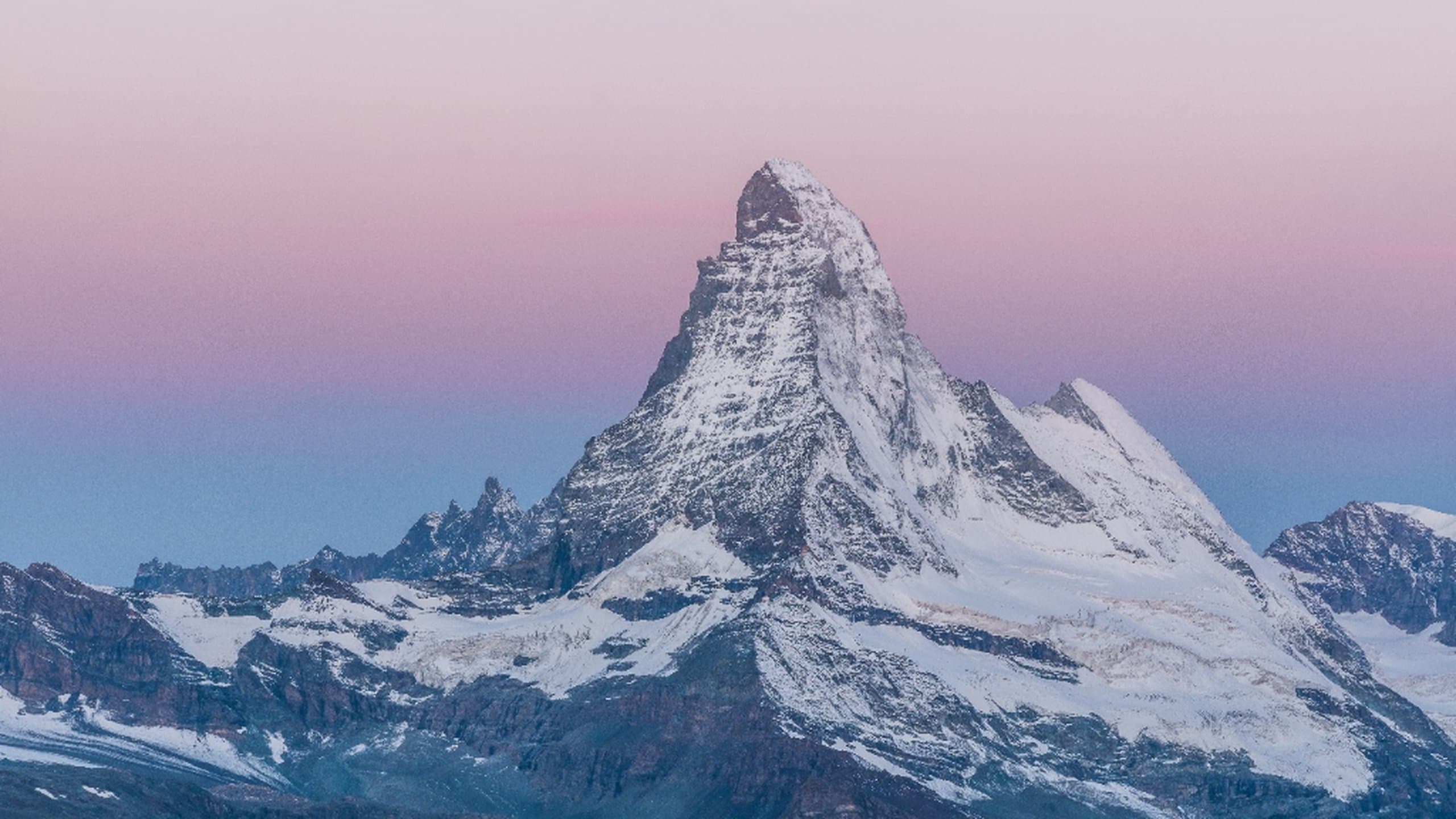
The definitive 11-day Swiss Grand Tour: Bürgenstock clifftop suites, Zermatt Matterhorn views, and St. Moritz palace society.
Summer Coolcation & Grand Family
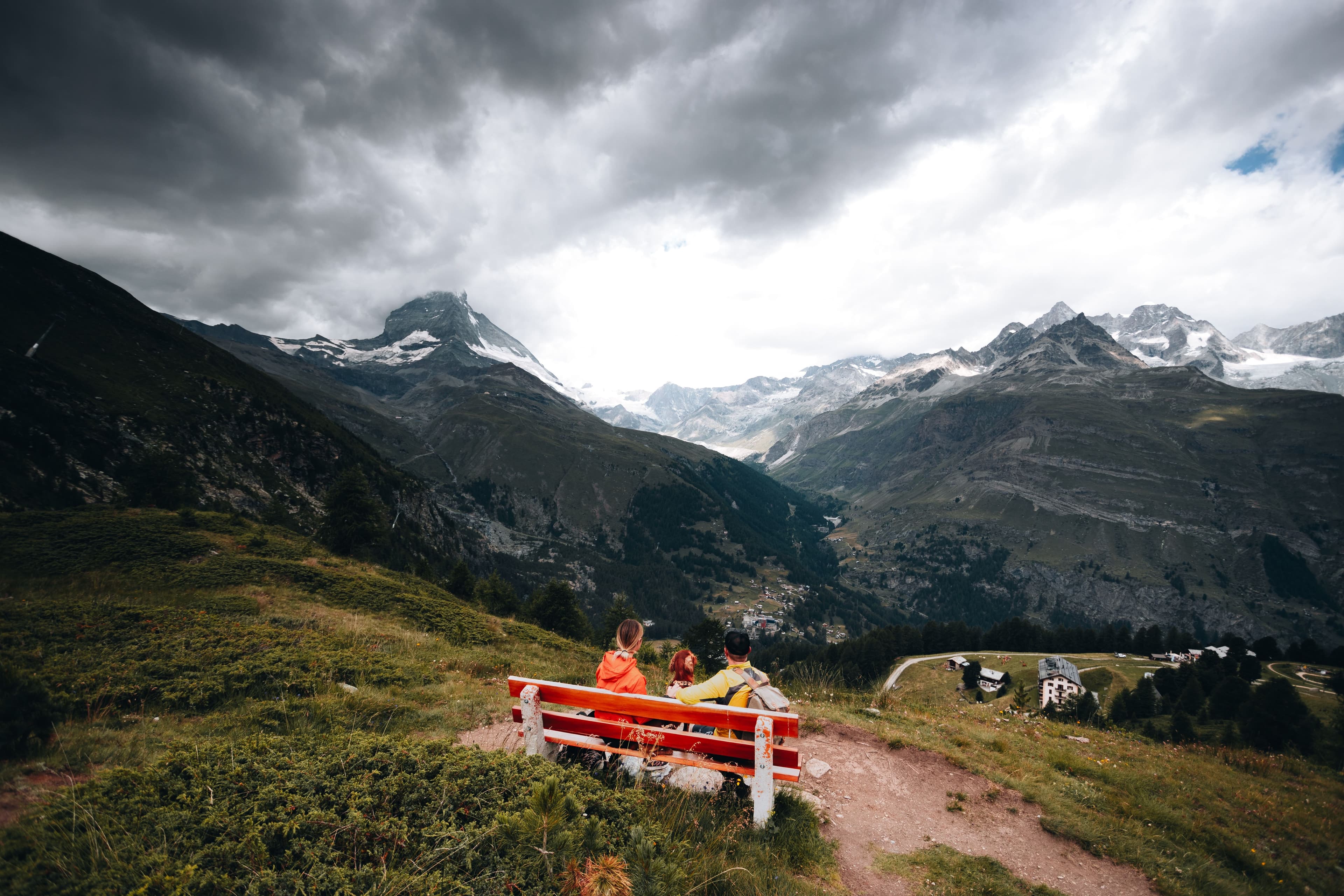
A multi-generational alpine retreat across the Engadin and Lake Lucerne, engineered for family space and cool mountain air.
Undecided Between Gstaad and St. Moritz?
Our Private Client Desk can structure a comparative bespoke itinerary, balance high-altitude skiing with chalet privacy, or seamlessly link both via first-class panoramic rail.